You face significant risks of water damage when your roof or chimney flashing fails. In Brazoria County, where weather conditions can be unpredictable, securing expert roof and chimney flashing repairs is paramount to protecting your home. Timely and professional flashing services effectively prevent leaks, safeguard your property’s structural integrity, and extend your roof’s lifespan.
Understanding Roof and Chimney Flashing Essentials
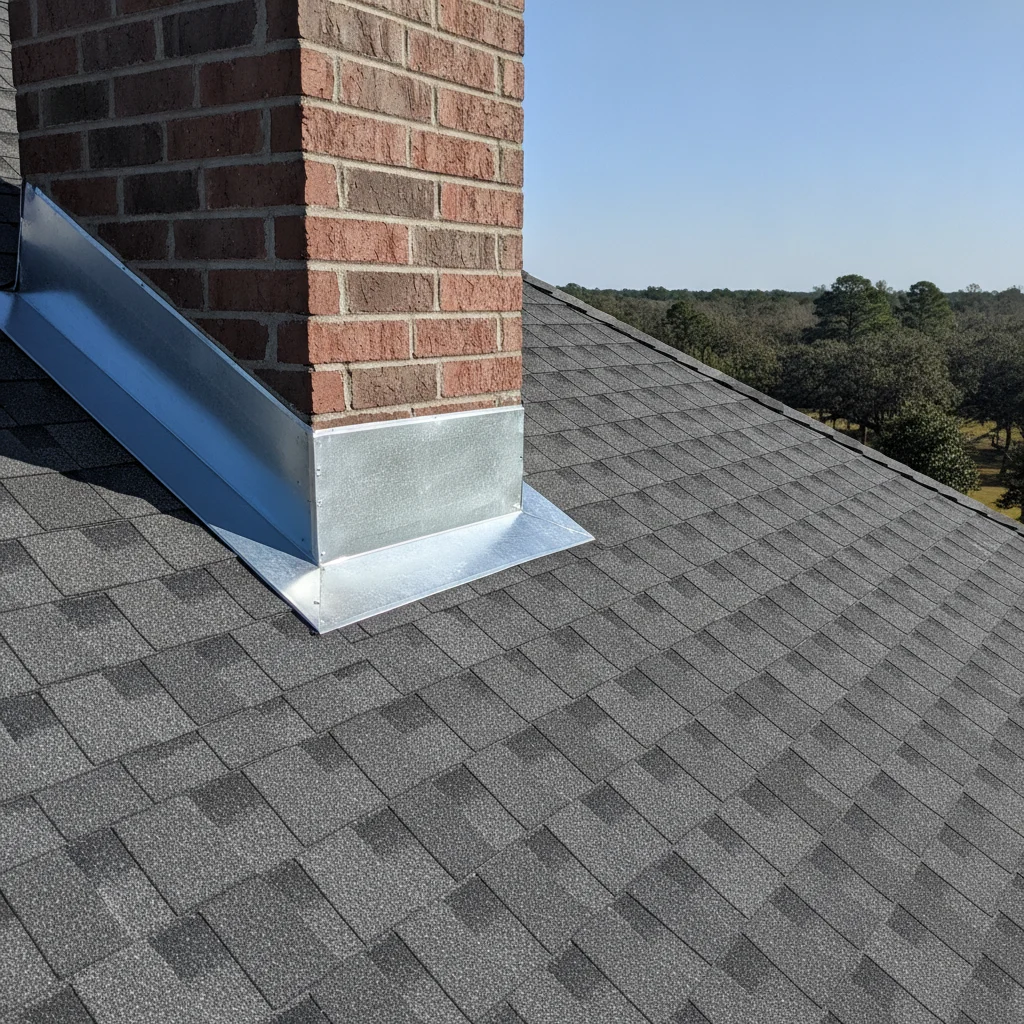
Flashing creates a watertight seal at critical junctions on your roof, particularly around chimneys, skylights, vents, and valleys. Without properly installed or maintained flashing, these areas become vulnerable entry points for water. Understanding its core components helps you appreciate its crucial role in your roofing system.
- Step Flashing: This L-shaped flashing interlaces with individual roof shingles where the roof meets a vertical wall, like a chimney or dormer. Each piece directs water downward over the shingle below.
- Counter Flashing: Installed over step flashing, counter flashing is typically mortared into chimney joints or secured to walls. It overlaps the step flashing, preventing water from seeping behind it.
- Valley Flashing: This material lines the valleys where two roof planes meet, channeling large volumes of water efficiently off the roof.
- Apron Flashing: Often used at the base of a chimney or dormer, apron flashing provides a continuous barrier against water ingress.
- Kick-out Flashing: A specialized piece of flashing that diverts water away from the wall where a roof meets a vertical wall, preventing water from running down the wall and into the siding or foundation.
Each type of flashing performs a specific function, contributing to a comprehensive defense against water intrusion. Neglecting any of these components jeopardizes your entire roofing system.
Common Causes of Flashing Failure in Brazoria County
Brazoria County’s climate presents unique challenges that accelerate flashing deterioration. High humidity, intense sun exposure, and frequent severe storms test roofing materials constantly. Understanding these local factors helps identify potential issues early.
Weather-Related Damage
Persistent humidity and strong winds, common in Brazoria County, cause flashing materials to expand and contract, leading to fatigue and eventual cracking. Hail storms and tropical downpours inflict direct physical damage, bending or dislodging flashing. Hurricane-force winds can rip flashing away entirely, leaving your home exposed.
Material Degradation and Corrosion
Over time, even robust flashing materials like galvanized steel succumb to rust and corrosion, especially in a coastal environment. Aluminum flashing, while resistant to rust, can corrode when in contact with certain other metals. Copper flashing offers superior longevity but requires expert installation to maximize its benefits.
Improper Installation
Many flashing failures stem from incorrect initial installation. Gaps, insufficient overlap, or using the wrong type of sealant allow water to penetrate. A lack of proper kick-out flashing, for instance, directs water directly behind siding, leading to significant hidden damage. Ensure your roofing professionals adhere to industry best practices.
Age and Wear
Like any roofing component, flashing has a finite lifespan. As it ages, sealants dry out, and the metal fatigues. Regular inspections are vital for detecting these issues before they escalate into major leaks. Timely maintenance extends the life of your flashing and your entire roof.
The Expert Flashing Repair Process
When you contact Talton Roofing Solutions for flashing repair in Brazoria County, you initiate a thorough and professional process designed to restore your roof’s integrity and prevent future leaks.
- Comprehensive Inspection: Our certified technicians conduct a detailed assessment of your entire roof, specifically targeting all flashing points around chimneys, vents, skylights, and valleys. They identify the exact source of leaks, assess the extent of damage, and evaluate the condition of surrounding roofing materials.
- Material Selection: We recommend the most suitable flashing materials for your specific needs and the Brazoria County climate. Options include galvanized steel, aluminum, copper, and lead, each offering different benefits in terms of durability, cost, and aesthetic.
- Precision Repair/Replacement: Our team carefully removes damaged or improperly installed flashing. They prepare the area, ensuring a clean, dry surface for new installation. We then install new flashing using precise techniques, ensuring correct overlaps, secure fastening, and watertight sealing with high-quality roofing cement or sealants. For chimneys, this often involves meticulous counter-flashing installation into mortar joints.
- Post-Repair Verification: After completing the repair, we perform a final inspection to confirm the integrity of the new flashing and the surrounding roof sections. We ensure every detail meets our stringent quality standards and effectively prevents water intrusion.
Addressing flashing issues promptly saves you from costly interior damage and structural repairs down the line. Preventative maintenance is always more cost-effective than reactive repairs.
Comparing Flashing Materials for Brazoria County Homes
Selecting the right flashing material significantly impacts its longevity and performance, especially in a humid, storm-prone region like Brazoria County. Here is a comparison of common options:
| Material Type | Pros | Cons | Typical Lifespan |
|---|---|---|---|
| Galvanized Steel | Affordable, strong, widely available | Prone to rust over time, especially if coating is scratched | 10-20 years |
| Aluminum | Lightweight, rust-resistant, flexible, affordable | Can corrode if in contact with certain metals (e.g., copper), less durable than steel/copper | 15-25 years |
| Copper | Highly durable, corrosion-resistant, aesthetically pleasing, long lifespan | Expensive, requires skilled installation, can stain surrounding materials | 50+ years |
| Lead | Highly malleable, excellent for custom shapes, long-lasting | Heavy, expensive, environmental concerns (less common now) | 50+ years |
The National Roofing Contractors Association (NRCA) emphasizes that proper material selection and installation are critical for flashing longevity, stating that flashing failures often result from improper detailing rather than material defect. This highlights the importance of choosing experienced professionals for your Brazoria County roof and chimney flashing repairs.
Protect Your Home with Talton Roofing Solutions
Do not wait for a leak to compromise your home’s safety and value. Addressing roof and chimney flashing issues immediately protects your investment. Talton Roofing Solutions stands ready as your trusted partner for expert flashing repairs in Brazoria County. Our experienced team delivers precision, quality, and lasting peace of mind. Call us today at 713-303-3306 for a comprehensive inspection and a free estimate to secure your roof’s integrity.
Frequently Asked Questions
What are the signs of damaged roof or chimney flashing?
You might notice water stains on your ceilings or walls, especially near chimneys or exterior walls. Missing or bent metal strips around roof penetrations, rust spots on flashing, or deteriorating caulk are also clear indicators of damage requiring attention.
How long do flashing repairs typically take?
The duration of flashing repairs varies depending on the extent of the damage and the complexity of the area. Simple repairs might take a few hours, while extensive chimney flashing replacement could require a full day or more. Our team provides an estimated timeline after a thorough inspection.
Can I repair flashing myself?
While minor caulk touch-ups might seem simple, proper flashing repair or replacement demands specialized tools, materials, and expertise. Incorrect repairs can worsen the problem, leading to more significant and costly damage. We strongly recommend professional services to ensure a lasting, watertight seal.
What is the typical cost of flashing repair in Brazoria County?
Costs depend on the type of flashing, the extent of damage, and the accessibility of the area. A small repair could be a few hundred dollars, while a full chimney flashing replacement might cost more. We provide transparent, detailed estimates after assessing your specific needs.
How often should I have my flashing inspected?
We recommend annual roof inspections, which include a thorough check of all flashing. After severe weather events, such as hurricanes or heavy hailstorms, an additional inspection is prudent to identify any potential damage quickly before it leads to leaks.
Why is professional flashing repair crucial in Brazoria County?
Brazoria County’s unique climate, characterized by high humidity and frequent severe weather, makes professional flashing repair essential. Experts like Talton Roofing Solutions understand these local challenges and apply specialized techniques and materials to ensure your flashing withstands the elements effectively, protecting your home long-term. Investing in expert roof repair, especially for flashing, safeguards your property.
![A professional roofer inspecting a residential roof in Pearland, TX, with a clear blue sky and suburban houses in the background. Focus on safety and expertise. [INLINE_IMAGE: A skilled roofer carefully inspecting the integrity of an asphalt shingle roof on a modern suburban home in Pearland, Texas, with a focus on precision and safety equipment. The background features other well-maintained homes and a clear, sunny sky.]](https://taltonroofing.com/wp-content/uploads/2026/07/planning-a-residential-roof-replacement-in-pearland-what-to-expect-300x300.webp)